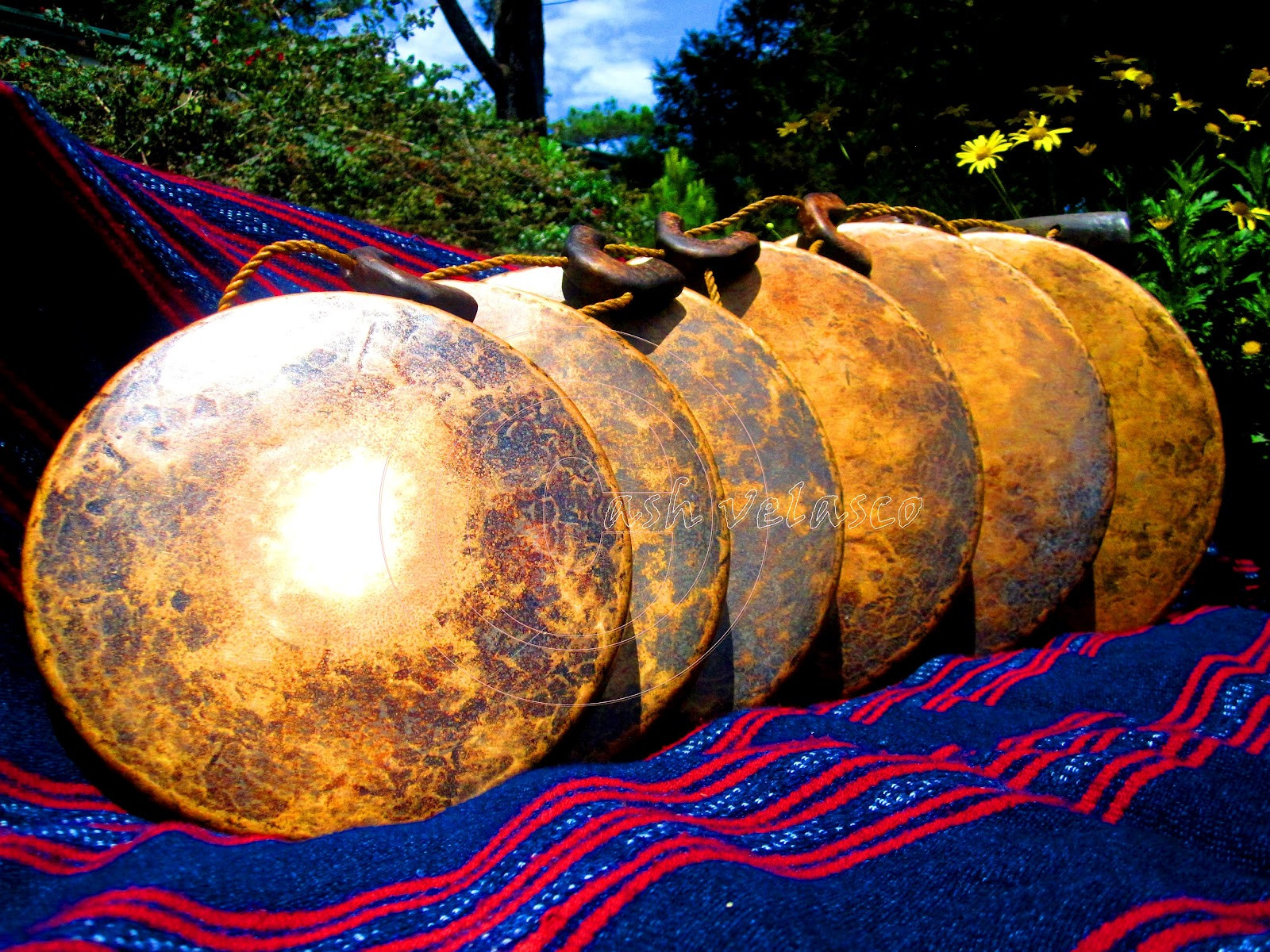
The peoples of the Philippines are known in history as a singing people. Our many diverse music cultures have always been vibrant and alive, continuing to serve many functions and give meaning to the lives of our people. Musics in the Philippines, as a general education subject, aims to emphasize this strength of the Filipino people by introducing the student to the country’s many musics and music cultures—from the indigenous Austronesian, to the Hispanized/Westernized traditions, to contemporary forms and styles, giving the student a basic education in the historical, theoretical, and practical foundation of this human phenomenon as it developed in the context of the modern nation. Musics in the Philippines aims to provide ways of understanding and appreciating musics and their purposes, roles, and significance in everyday life. As a GE course aligned with the new GE framework which highlights an outcomes-based education and an expanded interdisciplinarity, as well as its high potential for promoting mental well-being, it empowers students to arrive at a richer understanding of what music means to the Filipino, how it operates in our history, and how it functions in our contemporary society. The course enables them to participate in various discourses about music, learn how it operates in our history, and how it functions in contemporary society. Though essentially a lecture-type course, it is highly experiential, providing students with opportunities to create, perform and interact with music in ways that affirm what they know, or broaden what they understand to be “Filipino”.
- Teacher: Jose Alfonso Ignacio Mirabueno
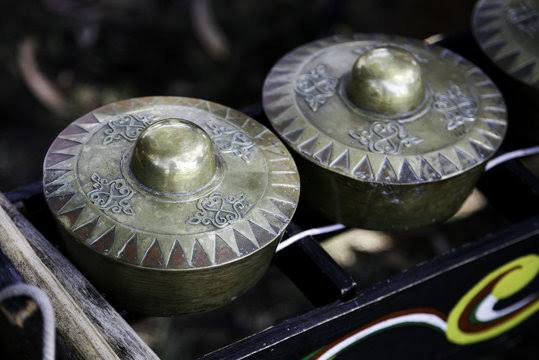
MuL 10 is a 3-unit undergraduate course on the indigenous music traditions of the various Philippine cultural linguistic groups from Luzon, Visayas and Mindanao (highland/inland cultures, Lumad, Islamic). These groups are to be studied as music-cultures—whose music is inextricably and intimately linked with daily life and the society they move in. The focus is on history, aesthetics, performance practices and cultural functions. Readings, lectures, group discussions, oral and written reports, video and audio materials, hands-on sessions,and other activities constitute the course.
- Teacher: Jose Alfonso Ignacio Mirabueno